hringvellIR / THINGVELLIR TURNING (2018)
Thingvellir National Park, 2019.
Gerdarsafn Art Museum, Kópavogur Iceland. Cycle Music & Art Festival, Inclusively Exclusive
hringvellIR / THINGVELLIR TURNING (2018)
Thingvellir National Park, 2019.
Gerdarsafn Art Museum, Kópavogur Iceland. Cycle Music & Art Festival, Inclusively Exclusive
hringvellIR / THINGVELLIR TURNING (2018)
Thingvellir National Park, 2019.
Gerdarsafn Art Museum, Kópavogur Iceland. Cycle Music & Art Festival, Inclusively Exclusive
ANNA RÚN TRYGGVADÓTTIR
GARDEN 2017
Reykjavik Art Museum Iceland
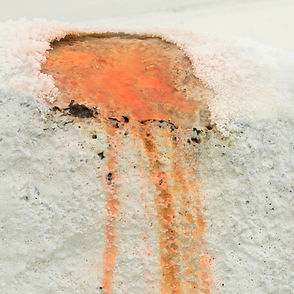
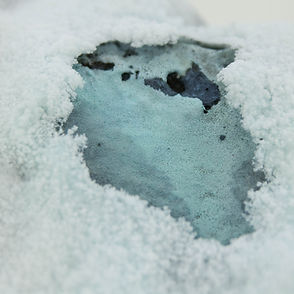
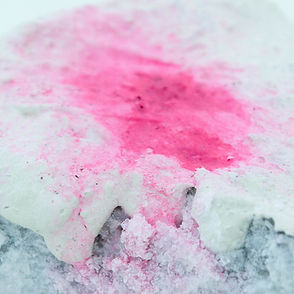
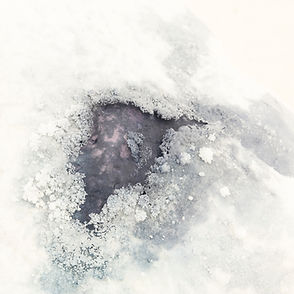
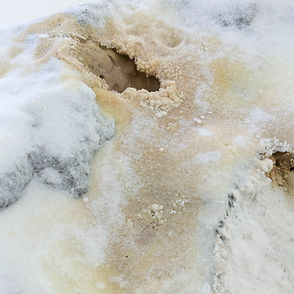
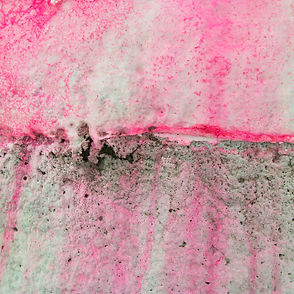
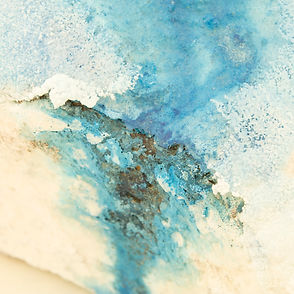
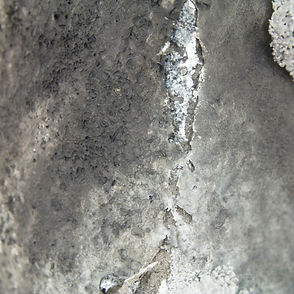
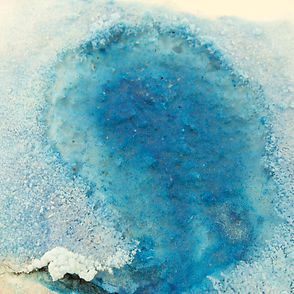
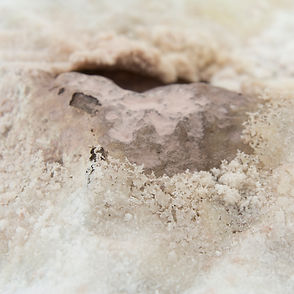
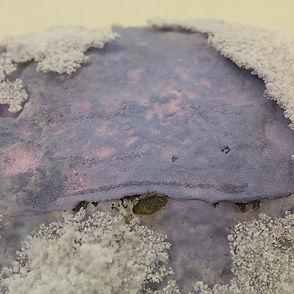
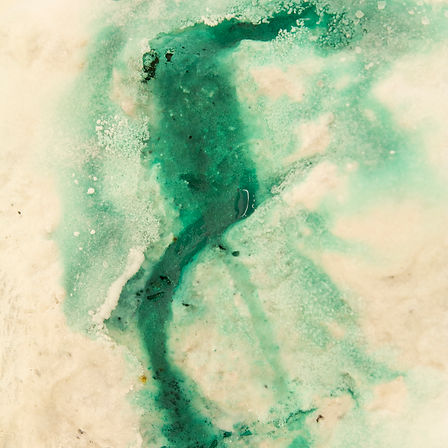
Garden is a durational installation in which thirteen rocks, borrowed from a municipal stockpile assembled for a coastal barrier in Reykjavík, were brought into the museum and arranged across the gallery floor. Coated with salt and plaster, the stones formed a pale, gridded landscape beneath inverted bottles that released coloured liquid at measured intervals. Each drop activated the surfaces below: salt dissolved and recrystallised, pigments spread, and the stones accumulated traces of erosion and colour throughout the exhibition.
Anna Rún describes her role in the work as that of a director facilitating a collaboration. She established the framework, prepared the stones and initiated the material event, then relinquished control to gravity, liquid, mineral and time. The installation therefore had no single completed state. Its changing appearance was not evidence of damage or decline, but the visible condition of a process in which formation and decomposition occurred together.
The work places natural and manufactured matter in direct exchange. Geological material gathered for urban protection meets synthetic colour, mechanical timing and the institutional space of the museum. From these encounters emerge small-scale analogues of natural processes: building up, dissolving, decreasing, crystallising and eroding. The distinction between nature and culture becomes difficult to maintain, not because the two are made identical, but because each is shown to participate in the other.
By concentrating gradual transformation within the gallery, Garden makes material change available to sustained observation. Every encounter captures only a temporary configuration. The installation proposes the landscape not as a stable image, but as matter continuously becoming something else.